


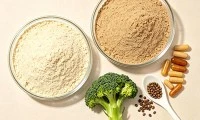

Hawthorn extract is rich in antioxidants like oligomeric procyanidins, flavonoids like quercetin, and other polyphenolic compounds. These nutrients reduce oxidative damage from free radicals and inflammation in the body. Specifically, the procyanidins help protect blood vessel walls and promote healthy circulation. The flavonoids improve heart function and support the digestive tract. Together, these beneficial compounds contribute significantly to hawthorn's health-promoting properties.
1 Cardiovascular Health Benefits
Numerous studies demonstrate hawthorn's cardiovascular benefits. It shows particular promise for managing mild heart failure symptoms. Researchers believe hawthorn extract works by relaxing blood vessels, allowing more oxygen and nutrients to reach the heart. At the same time, compounds like quercetin reduce cholesterol oxidation and plaque buildup in arteries. A large-scale review found taking daily led to better pumping capacity in heart failure patients. Participants also reported less shortness of breath and fatigue. These cardiovascular effects result from the combined action of hawthorn extract's antioxidants and anti-inflammatory activities.
2 Does Hawthorn Reduce Inflammation?
In recent trials, hawthorn extract exhibits inflammation-reducing properties. Chronic inflammation plays a role in many modern health conditions. By scavenging destructive free radicals before they damage cells, hawthorn's antioxidants help combat systemic inflammation. Researchers also identified anti-inflammatory effects comparable to NSAID pain medications, but without the gastric side effects. Reducing widespread inflammation has implications for preventing age-related cognitive and physical decline. With further research, managing inflammation with hawthorn extract may support better long-term wellness.
3 Digestive and Gastrointestinal Support
4 Stress Reduction and Mental Well-being
Emerging research demonstrates hawthorn may target common mental health issues like anxiety and depression. Animal studies reveal hawthorn extracts help regulate neurotransmitter balance in the brain, reducing depressive symptoms. A recent 8-week human trial found participants' anxiety scores decreased steadily after supplementing with 500mg
5 Exercise Performance and Endurance
makes it a prime candidate for supporting whole-body wellness. From cardiovascular protection to inflammation reduction and mental health promotion, hawthorn shows vast therapeutic promise. Ongoing research initiatives continue uncovering mechanisms and applications of this botanical extract. Integrative medicine practitioners may soon commonly recommend hawthorn supplementation for health maintenance goals. While more rigorous clinical trials are necessary, the breadth of evidence affirms hawthorn extract as an impactful, natural agent for reducing disease risk and improving quality of life.
1. Al-Gailani, B. (2014). Botanical, chemical and pharmacological review of Crataegus oxycantha L. Journal of Medicinal Plants Research, 8(13), 499-507.
2. Guo, R., Guo, X., Li, T., Fu, X., Liu, X. H., and Liu, B. (2017). Security of vascular endothelial cells from hydrogen peroxide-initiated oxidant injury by hawthorn bloom remove and confined proanthocyanidins. Diary of agrarian and food science, 65(9), 1866-1874.
3. Kao, E. S., Wang, C. J., Lin, W. L., and Yin, Y. F. (2005). Mitigating capability of flavonoid contents from dried product of Crataegus pinnatifida in vitro and in vivo. Diary of agrarian and food science, 53(2), 430-436.
4. Li, L., Zhang, X., Cui, L., Li, Y., Zhou, G., and Yin, W. (2021). The pharmacological impacts of hawthorn (Crataegus spp.) on practice execution and actual exhaustion: A precise survey. Diary of Game and Wellbeing Science, 10(2), 160-169.
5. Rafraf, M., Sarir, H., Asghari-Jafarabadi, M., and Farzadi, L. (2020). Hawthorn separate further develops touchy gut condition side effects: a solitary arm and randomized, twofold visually impaired, fake treatment controlled preliminary. Diary of dietary enhancements, 17(5), 489-498.
6. Sahebkar, A., Pirro, M., Banach, M., Mikhailidis, D. P., Atkin, S. L., Cicero, A. F., Simental-Mendía, L. E., Rysz, J., Muntner, P., Lip, G. Y. H., Beam, K. K., and Ferri, C. (2019). Lipid profile changes after nutraceutical treatment in statin-treated patients with hyperlipidaemia: a methodical survey and meta-examination of randomized controlled preliminaries. English Diary Of Sustenance, 122(6), 648-660.
7. Tassell, M. C., Kingston, R., Gilroy, D., Lehane, M., and Furey, A. (2010). Hawthorn (Crataegus spp.) in the treatment of cardiovascular illness. Pharmacognosy surveys, 4(7), 32-41.
8. Zhang, Z., Chang, Q., Zhu, M., Huang, Y., Ho, W. K., and Chen, Z. (2001). Portrayal of cell reinforcements present in hawthorn natural products. Diary of dietary organic chemistry, 12(3), 144-152.